
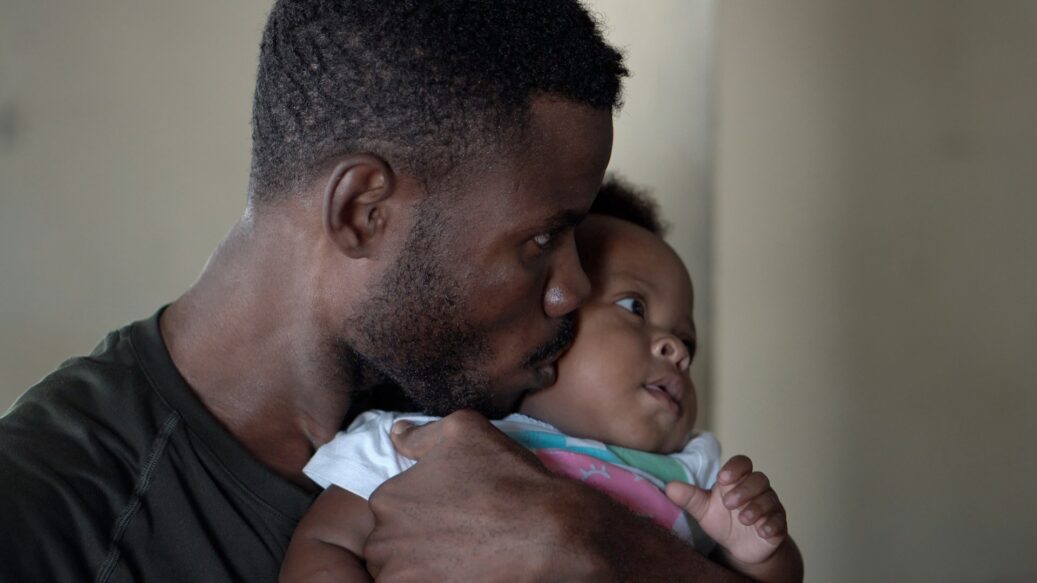
I’ll never forget sitting on my wife’s hospital bed as I held our firstborn in my arms shortly after she introduced herself to the world.
The room was emptied of nurses and doctors. The only sounds were our breathing, her small coos, and the crinkling of a Tim Hortons bag because the new parents needed a snack after a long night and day in the hospital.
As I looked at my daughter, all of a few moments old, time both stood still and flew into the future.
I was in the now while also mindful of her not-yet triumphs, trip-ups, tests (school and life), trials, and tips to pass on to others.
I began to picture it all…or at least as best I could, with similar sentiments when our second child was born later. I don’t think a parent can help it; we see what we hope for, and we do what we can to see it manifest in their lives, or at least to ensure that whatever they end up doing with their lives lines up with the good examples and lessons we’ve taught them along the way.
Being a dad today comes with unique challenges.
With every advancement of technology, kids are pulled into algorithms that can make them more aware of the world, but also world-weary. It can make them smarter or hateful, connected while also extremely alone.
Post-COVID, they are more comfortable saying things behind a keyboard than in conversations with friends. Gender wars are loud as the manosphere attempts to instruct young men in attitudes that are often cruel and destructive. At the same time, children are being invited to make significant decisions concerning who they are without any guidance or care.
Being a dad today comes with unique challenges.
Anxiety, which was real long before it became a part of our common vernacular, is now debilitating kids before they even know what it is.
And let’s not even start with relationships and dating!
So as their dad, I have to be increasingly knowledgeable about the culture my kids step into each day—which is harder today than when I was a cool youth pastor in my 20s—and be deliberate in building lives with them as opposed to just building my plans for them (unlike my mom, who always said, “You’re going to be a doctor,” despite my painful science and math scores).
A new term of our age, “dadding,” means “the active, hands-on practice of fatherhood and parenting duties.”
My dad would have said that “dadding” was making sure food was on the table, clothes were on our backs, and we had a place to live. That’s still true today, but there is a deeper emphasis on time spent with our kids, building relationships grounded in shared interests and experiences, and asking questions rather than simply dispensing advice.
This summer, I had so many great conversations with my kids about their faith, personalities, friendships, dreams, and more, amid drives, coffee runs, BBQing…you name it.
But it’s more than just being there for them. It’s also allowing my faith in Jesus to shape how I parent. So, while knowing various pop culture trends and phrases (and when those trends are no longer cool—looking at you, “6-7”…) that impact their generation, I also need to know the voice of the Lord and allow Him to lead how I parent.
And for me, one of the best examples is found in the story of Jarius.
It can be found in Mark 5:21-43 and Luke 8:41-56. The beats in both accounts are the same: Jarius asks Jesus to come heal his dying daughter; on the way, they are delayed; the daughter dies before they arrive; when they finally arrive, Jesus resurrects her, and they all get ice cream.
Okay, they don’t do the last part, but the story ends with her alive and Jarius’ faith rewarded.
Two lessons from this account speak loudly to how I hope to parent my children.
1. I must bring my kids to Jesus daily.
I am all for good teachers, pastors, family members, and friends who surround us and act as spiritual influences on my children. However, the care of my kids starts with me; whether on my knees, walking, or standing still, I must approach Jesus on their behalf. As they learn in their classrooms, may Jesus help them retain the knowledge that will prepare them for the next stage of life without damaging their faith in the process. As they navigate friendships, may He cause them to be loving while also inspiring them to lead rather than follow. As they figure out their future, may He be the “…lamp to [their] feet and a light to [their] path” (Psalm 119:105 ESV). Advice and encouragement from their village is a bonus, but everything must start here—me running to Him with them in mind and heart.
2. I must trust that He is with them and fighting on their behalf.
When it seems like nothing is working out because of life’s delays and culture’s detours, this becomes very important. The crowd, upon hearing that Jarius’s daughter had died, began to chastise him for wasting Jesus’ time. Naturally, the mix of mourning plus rebuking must have weighed heavily on his shoulders. Jesus sees this and says this to him: “Don’t be afraid. Just have faith, and she will be healed” (Luke 8:50 NLT). Even with the most detailed planning, I cannot predict that life will go as I hope for my kids. I need to, as their dad, trust the One I originally brought them to—knowing His power, trusting His Word, believing His truths, and leaning on His love. It might not look the way I imagine or even pray for, but if Jesus says He will care for them, I have to believe He will.
As dads, let’s commit, while learning their words and their world, to bringing our children to Jesus every day—not just when a crisis arises, but during the mundane Mondays of life, too. I hope that Jesus is used to hearing their names from our lips. And then may we trust Him to lead them, heal them, use them, and keep them. Let’s always partner with Jesus to be dads our kids know they can turn to because they know Who we turn to.
About